
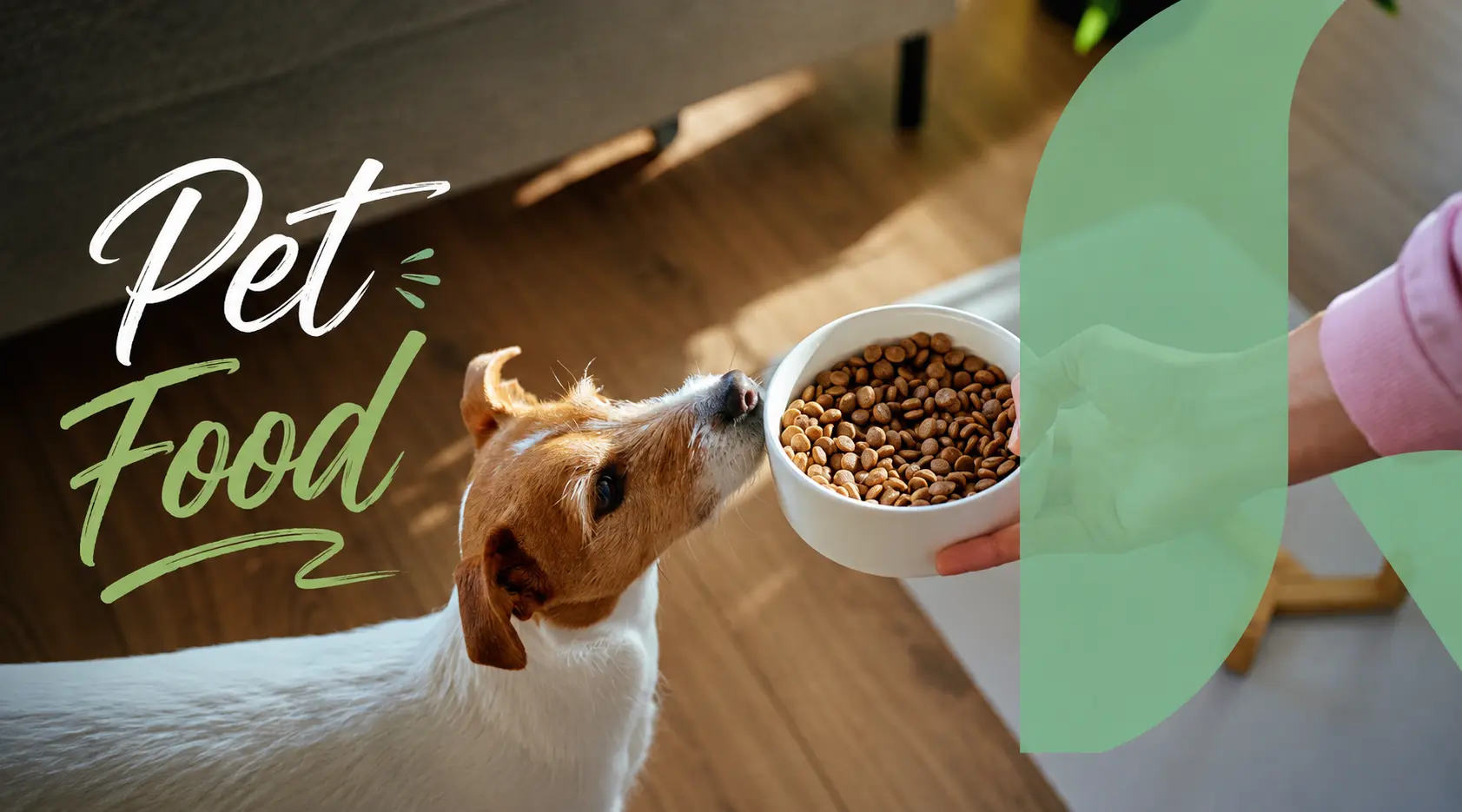
How to Save on While Choosing Quality Products
Pet food is one of those household costs that does not disappear. You might find ways to cut back on other purchases for a month, but dogs and cats still need feeding every day. When prices start adding up, it is tempting to reach for the cheapest bag or the biggest discount.
That does not always save money, though. A cheaper product may not suit your pet, while an expensive food is not automatically better simply because it costs more. The more useful approach is to look at the actual cost of feeding your pet, check what the product offers and then look for a sensible saving.
I tend to think about pet food shopping in that order: suitability first, price second, and discounts after that.
Start With Your Pet's Actual Needs

Before comparing prices, think about what you are actually buying for.
A puppy, adult dog, senior dog, kitten and adult cat will not necessarily have the same feeding requirements. Size and activity level can matter too, while some pets may have dietary sensitivities or other requirements that need professional advice.
That is why searches such as “best pet food for older dogs”, “best pet food for senior dogs” or “best pet food for small dogs” should be treated as starting points rather than simple shopping lists. There is no single best pet food for every animal.
If your vet has recommended a particular type of food, that advice should come before a discount. The same applies if your pet has a known dietary requirement. Saving a few pounds on something unsuitable is not really a saving if you then have to replace it.
Compare the Cost Beyond the Pack Price

The price printed on the front of a bag tells you only part of the story.
Compare pack sizes, feeding guidance and the amount your pet is likely to eat each day. A larger bag may have a lower price per kilogram, but that does not automatically make it the better choice. What matters is how much the food costs to feed your particular pet.
I find cost per serving or cost per day more useful than simply comparing two shelf prices. If one food costs £5 more but lasts considerably longer, the difference may be smaller than it first appears.
There is another factor people sometimes overlook: waste. Buying a large quantity of food that your pet stops eating, or that cannot be stored conveniently, can wipe out the savings.
The useful comparison is therefore the cost of feeding the pet, not just the cost of buying the bag.
Read the Ingredients Before Chasing a Deal

A discount should never be the main reason for choosing a particular food.
Look at the ingredient information, nutritional information, feeding guidance and the intended use of the product. The aim is not to become an expert in pet nutrition overnight. It is simply to understand what you are buying and whether it appears appropriate for your pet.
You may come across terms such as natural pet food, natural food for pets, “pet food naturally” or “pet food natural choice” while researching products. Marketing language can be useful for finding products that match your preferences, but it should not replace reading the actual product information.
The same applies to searches for natural pet food or other foods described as natural. “Natural” on its own does not tell you whether a particular product is suitable for your animal.
If your pet has a specific health or dietary requirement, speak to your vet or another qualified veterinary professional before changing their food.
Where Pets at Home Fits Into the Comparison
Pets at Home is one of the names UK shoppers may come across when researching pet food, so searches such as Pets at Home dog food, Pets at Home cat food and Pets at Home puppy food are understandable starting points.
You may also see more specific searches, including Pets at Home kitten food, Pets at Home dry dog food, Pets at Home raw dog food and AVA dog food at Pets at Home.
The important part is not the retailer name. Compare the actual products.
Look at the pack size, price, feeding guidance, ingredients, suitability and customer feedback. If you are comparing dog food from Pets at Home with another retailer's product, use the same checks for both rather than assuming one retailer will always offer better value.
That makes searches such as dog food Pets at Home or cat food Pets at Home more useful as research terms rather than automatic buying instructions.
Reviews Can Help, But They Are Not the Whole Story
Reviews are useful when you want to know what other buyers experienced, particularly around palatability, packaging, delivery, value and consistency.
They can also help when researching a product you have not bought before. Searches for pure pet food reviews, for example, may show comments from owners who have tried the food themselves.
I would still treat reviews as one part of the decision. A customer saying that their dog enjoyed a food does not prove that the same product is the right choice for another dog. Likewise, a complaint about delivery does not necessarily tell you anything about the food itself.
Look for repeated themes and then compare those comments with the manufacturer's product information, feeding guidance and ingredients. Reviews are most useful when they add context rather than making the entire decision for you.
Look at Natural Pet Food With a Critical Eye
Natural pet food has become a common search for owners who want a particular style of product. You may come across names and phrases such as Forthglade natural pet food, Newlands Pets and its natural dog food positioning, nature pet food or natural food for pets.
There is nothing wrong with having a preference for this type of product. The mistake would be assuming that the word “natural” settles the quality question on its own.
Read the actual product information and compare it with other suitable foods. Check what the food is intended for, how it should be fed and whether it fits your pet's needs.
A useful rule is simple: look past the label and assess the product itself.
Use Offers Without Letting Them Choose for You
Once you know which products are suitable, that is the time to look for pet food deals.
Compare retailer prices, check current promotions and look for legitimate voucher offers. You can also check pet food savings and voucher ideas when you are looking for ways to reduce the final cost without changing what you actually need to buy.
The order matters. I would rather find a saving on a food I have already decided is suitable than choose something purely because the discount looks impressive.
Also check the final price rather than assuming a percentage-off message represents the biggest saving. A promotion can look attractive while still leaving another suitable product cheaper.
Check Brand and Retailer Offers Carefully
Brand-specific promotions can be worth checking before you place an order. Some shoppers also look through pet brands and available offers to see whether there is a current promotion that applies to the product they want.
Read the conditions before relying on an offer. Check the expiry date, minimum spend, eligible products and any new-customer or subscription requirements. If two promotions are shown, do not assume they can automatically be combined.
The final checkout price is what matters.
Bulk Buying Can Work, But Only Sometimes
Buying larger packs can reduce the unit price, but it is not automatically the smarter choice.
It makes more sense when your pet already eats the food reliably, you have enough storage space and the product will be used within a sensible period. If the food has a short usable period after opening, a very large pack may create unnecessary waste.
I would also be cautious when buying in bulk for a pet that is still changing diets. If you are not sure that the food will suit them, buying several months' worth defeats the purpose of saving money.
Bulk buying should reduce waste as well as price.
Think About Long-Term Value, Not Just Today's Price
Good value is not simply the lowest number on a price tag.
A suitable food that your pet eats consistently, comes in a practical size and has a reasonable cost per serving may make more sense than a cheaper product that gets wasted. Availability matters too. If you repeatedly have to switch between products because one is difficult to find, the apparent savings may become less useful.
The same principle applies to treats and other pet purchases. A cheaper basket is not necessarily a better basket if it contains things you did not need.
A Simple Shopping Routine I Would Use
When comparing pet food, I would keep the process fairly straightforward:
-
Check what the pet actually needs.
-
Compare a few suitable products.
-
Read the ingredients and feeding information.
-
Work out the real cost per serving or day.
-
Read reviews for recurring comments.
-
Check current offers and vouchers.
-
Look at the final price before paying.
-
Buy an amount that can realistically be used.
I also find that broader money-saving shopping guides can be useful when trying to reduce everyday spending beyond pet food itself. The same habit of comparing the real cost rather than reacting to a large discount can apply to other regular purchases.
Consider the Wider Cost of Pet Care

Food is only one part of the pet-care budget. Owners may also need to account for grooming, treats, routine supplies and areas such as dental care.
For dog owners researching dog oral health products, it can be useful to compare the available options and factor those costs into the wider pet-care budget rather than treating food as the only recurring expense.
The aim is not to buy more products. It is to understand the costs you are already likely to face and make sensible choices within your budget.
Final Thoughts on Buying Better-Value Pet Food
Saving money on pet food does not have to mean choosing the cheapest product on the shelf.
A better approach is to start with what suits your pet, compare the real cost of feeding, check the product information and use reviews as supporting evidence. Once you have found suitable options, look for genuine discounts, sensible pack sizes and offers that reduce the price without encouraging unnecessary purchases.
In simple terms: choose for suitability first, compare the real cost, check quality, read reviews, look for genuine savings and avoid waste.
That is what makes a pet food purchase better value in the long run
FAQs
How can I save money on pet food without lowering quality?
Compare suitable foods by feeding cost, ingredients, pack size, feeding guidance and current offers rather than choosing purely by price.
Is expensive pet food always better?
No. A higher price does not automatically make a food more suitable or better value. Compare the actual product and its cost of feeding.
Is natural pet food better for pets?
Not automatically. “Natural” is a product description or preference, so you should still check the ingredients, nutritional information and suitability for your pet.
Is buying pet food in bulk cheaper?
It can be, particularly when the unit price is lower and the food will be used before it deteriorates. Avoid bulk buying if it could lead to waste.
Should I trust pet food reviews?
Reviews can provide useful information about things such as palatability, delivery and value, but they should be considered alongside product information and your pet's individual needs.
How can I find pet food discounts in the UK?
Check retailer promotions, brand offers and legitimate voucher sources. Always read the conditions and confirm the final price before buying.
What should I compare when buying dog or cat food?Look at suitability, ingredients, feeding guidance, pack size, cost per serving, reviews and current offers.